
A bonsai may look like an easy tabletop plant, but it is a living tree growing in a very small amount of soil. That shallow pot can dry quickly, while the wrong indoor location may provide too little light.
Many problems with Bonsai Trees begin before watering or pruning. The species has been placed in an environment that cannot meet its basic needs.
1. Choose a Species for the Available Environment
Not every bonsai belongs indoors.
Tropical species such as ficus can adapt to bright indoor conditions. Temperate trees, including many junipers and maples, generally need outdoor conditions and a seasonal dormancy period.
Before buying, identify the species and determine:
- Whether it should live indoors or outdoors
- How much sunlight it requires
- Its cold tolerance
- Whether it needs winter dormancy
- How frequently its soil is likely to dry
2. Stop Watering on a Fixed Calendar
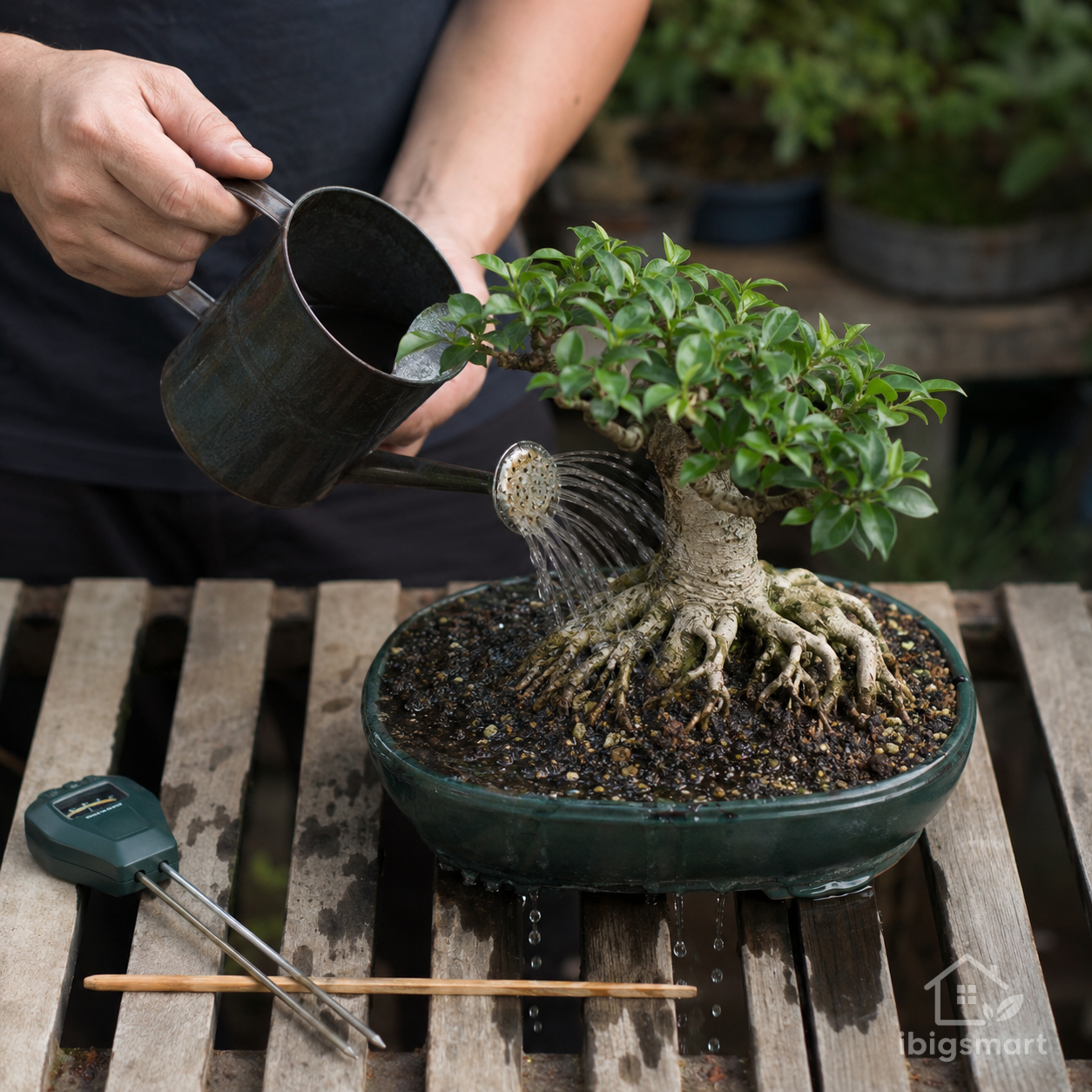
A bonsai should not automatically receive water every morning or every third day. Soil can dry at different speeds depending on temperature, light, wind, pot size, and season.
Check the soil regularly. When watering is needed, soak it thoroughly until water drains from the pot. A narrow-spout watering can provides better control around small containers.
3. Make Sure Water Reaches the Whole Root Ball
Water can run around compacted soil without reaching the center. Apply it slowly across the entire surface rather than pouring into one spot.
If water remains on the surface or immediately escapes around the edges, the soil may be compacted or the tree may need repotting at the appropriate time.
Never leave the pot permanently standing in water.
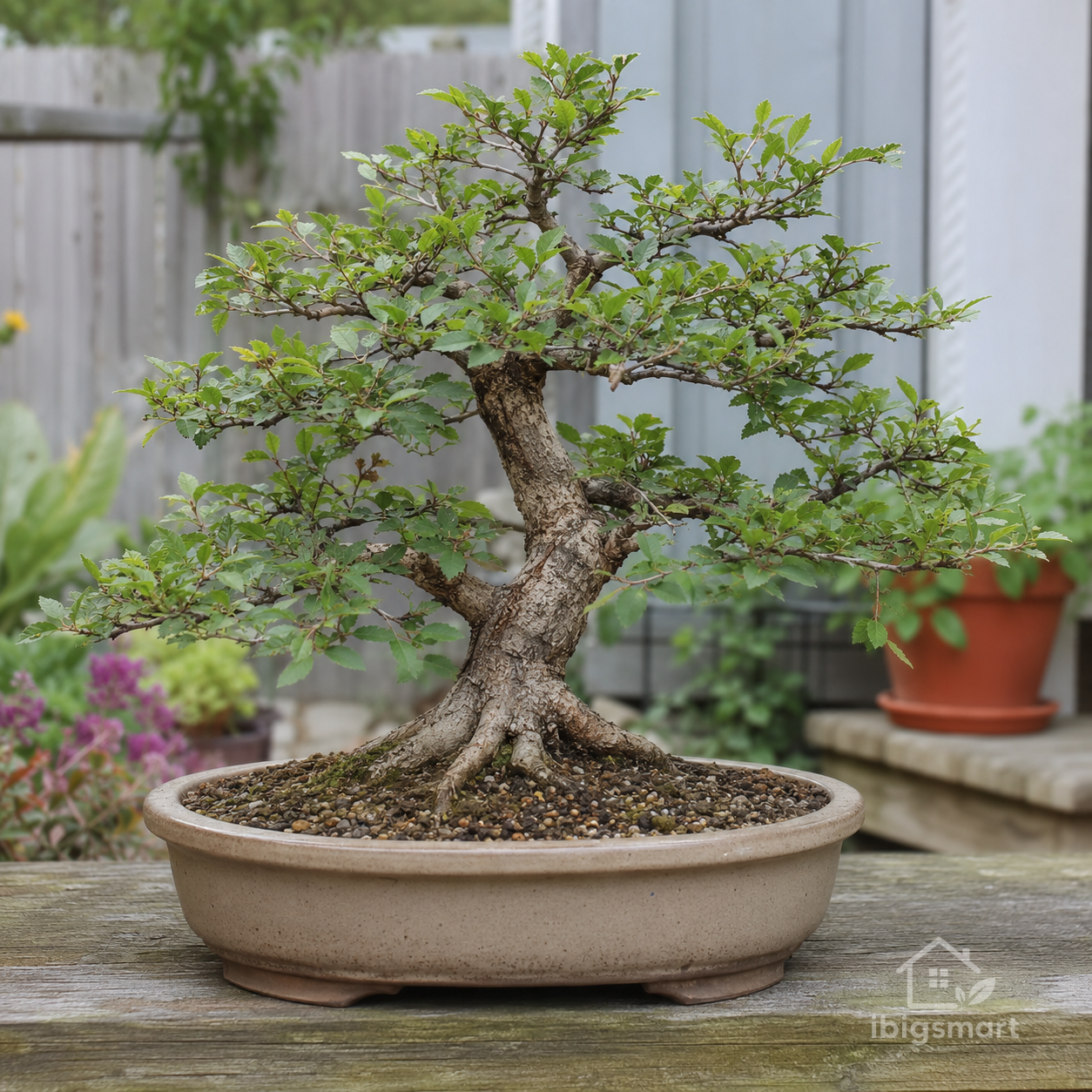
4. Provide Enough Light
A bright-looking room may still be too dark for healthy tree growth. Place an indoor bonsai near a suitable window while protecting sensitive foliage from sudden heat or scorching sun.
When natural light is inadequate, an appropriately positioned grow light with a timer may provide more consistent exposure.
5. Use Bonsai Soil, Not Dense Garden Soil
Bonsai roots need both water and oxygen. Dense soil can remain wet too long, while an unsuitable mix may dry unevenly.
A suitable bonsai mix generally contains particles that encourage drainage and airflow. The exact composition should match the species, climate, and watering habits.
6. Learn Basic Pruning Before Styling
Beginners often remove too much growth while trying to create an instantly mature shape. Start by removing dead twigs, damaged growth, and clearly unwanted shoots.
Use sharp tools that make clean cuts. Avoid heavy root pruning and major branch removal until you understand how the particular species responds.
7. Do Not Repot Merely Because the Pot Looks Small
A shallow pot is part of bonsai cultivation. Repotting is needed when roots become congested, drainage declines, or the soil structure deteriorates—not simply because the canopy looks large.
The correct season and root-pruning method vary by species. Prepare the new soil, mesh, wire, and tools before removing the tree from its pot.
8. Feed During Active Growth
Because frequent watering can gradually remove nutrients from a small container, appropriate fertilizing may be necessary during active growth.
Use a product suitable for bonsai and follow its directions. Avoid feeding a severely stressed, recently repotted, or dormant tree unless species-specific guidance recommends it.
[Affiliate Link: measured liquid bonsai fertilizer]
9. Protect Outdoor Trees Through Winter
A hardy tree in a bonsai pot is more exposed to cold than the same species growing in the ground. Some temperate trees need protection from extreme freezing while still receiving the cold period required for dormancy.
Possible protection includes an unheated shed, cold frame, sheltered ground-level location, or insulation around the pot. The correct method depends on the species and local winter temperatures.
10. Build a Simple Weekly Inspection Routine
Check each tree for:
- Dry or waterlogged soil
- Blocked drainage holes
- Sudden leaf discoloration
- Pests beneath leaves
- Wire cutting into branches
- New growth requiring guidance
- Exposure to heating or cooling vents
Successful care of Bonsai Trees depends less on owning numerous tools than on observing the tree consistently. Choose an appropriate species, provide the right environment, and let styling develop gradually.
✅ Last Updated on September 28, 2026 by BIG Smart Team